

Deep Tissue / Sports Massage Gallery
$$MultiPurposeText$$
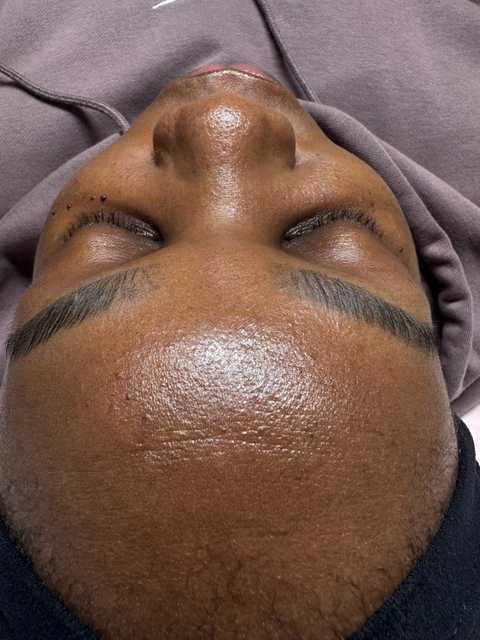
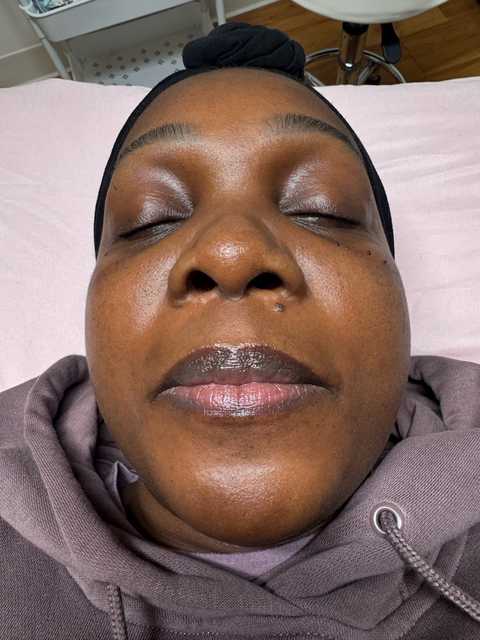
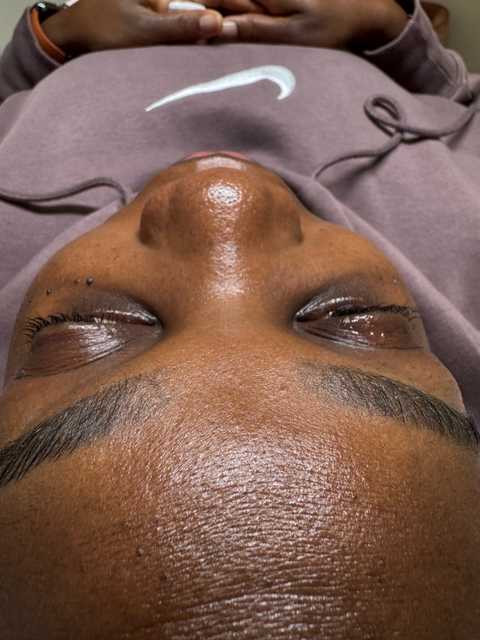
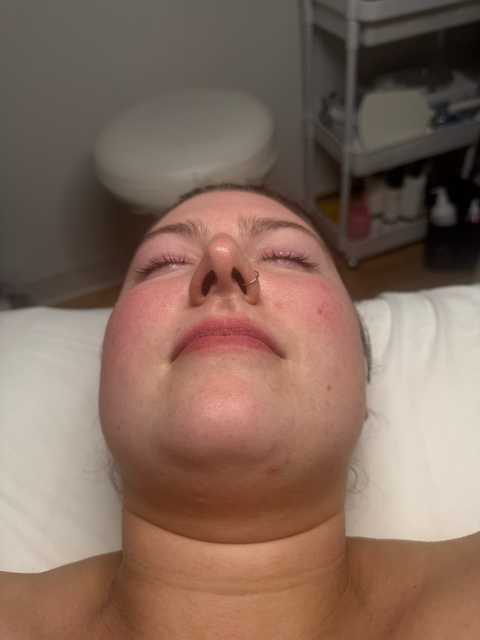
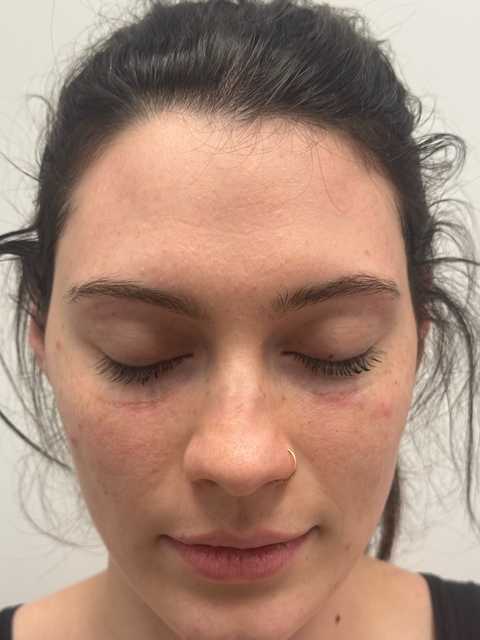
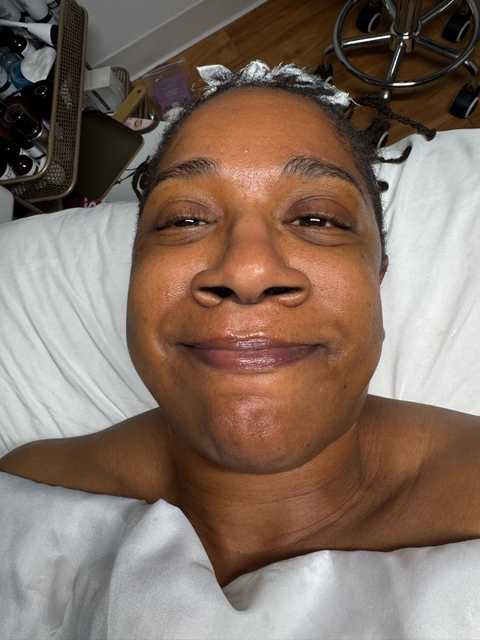
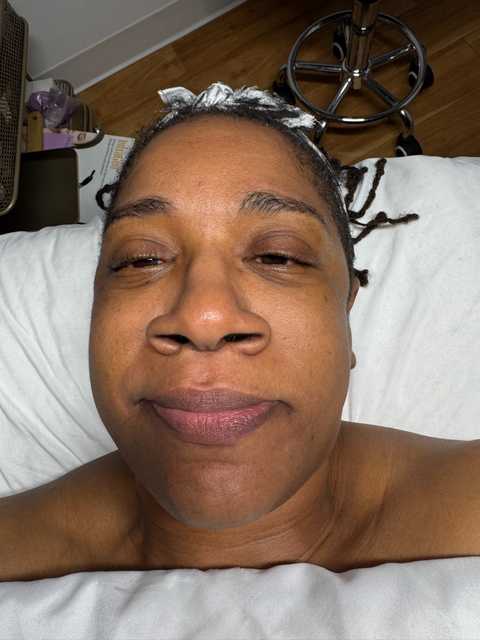
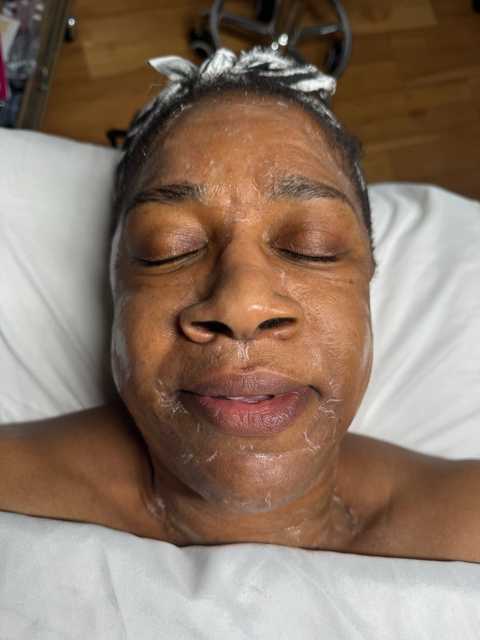
See examples of our Deep Tissue / Sports Massage work and results.











What Our Clients Say
$$MultiPurposeText$$
Read testimonials from our satisfied customers

Outstanding, knowledgeable and strong. Great deep massage.

I always leave feeling amazing. Get a massage and facial and leave feeling like a brand ne...more

Love my experience with Emmalynn. She did great listening to what I wanted in my massage a...more

Wonderful strength in those hands! Released my neck tension, I had been hurting for two mo...more

R&R therapeutics scheduled me right away because of the pain level I was in. They used dif...more

EMMELYNN IS WONDERFUL!! I’ve never been consistent with getting regular massage and had ne...more

Frequently Asked Questions
Get answers to common questions about Deep Tissue / Sports Massage.
Yes, when applied appropriately. Shorter, lighter sessions before competition can loosen muscles and improve circulation without causing soreness. Communicate with your therapist about pressure and timing; avoid very deep work immediately before an event to prevent temporary muscle tenderness.
Frequency depends on training load and recovery needs. Athletes often benefit from weekly or biweekly sessions during heavy training, while maintenance clients may schedule monthly treatments. Your therapist will recommend a personalized plan based on goals, soreness, and injury history.
Some discomfort can occur as tight muscles are worked, but therapists use controlled pressure and adjust to your tolerance. Expect brief soreness afterward in treated areas; proper communication allows intensity adjustments and post-care recommendations to minimize discomfort.
Yes. Conditions like acute inflammation, fever, recent fractures, deep vein thrombosis, uncontrolled hypertension, or certain skin infections may rule out treatment. Disclose medical history, medications, and recent surgeries so therapists can modify techniques or recommend alternative therapies for safe care.
You may feel relaxed, looser, and occasionally mildly sore for 24 to 72 hours. Increased circulation aids recovery, so hydrate, rest, and perform gentle stretching or apply ice as advised. Contact your therapist if pain is prolonged or severe.
Wear comfortable clothing and arrive hydrated. Avoid heavy meals or intense exercise immediately beforehand. Share recent injury, medication, and training details with your therapist. Allow time to discuss goals and any areas to focus on so treatment is tailored safely.