
Cupping Therapy Gallery
$$MultiPurposeText$$
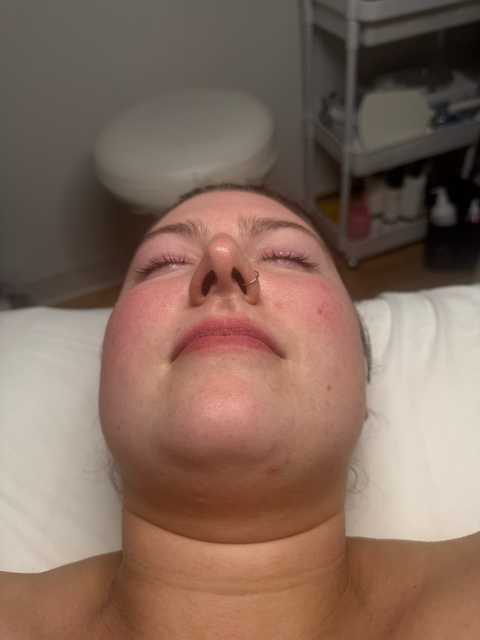
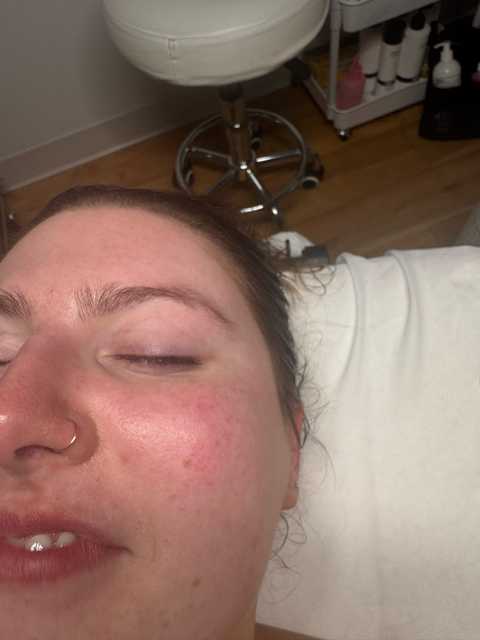
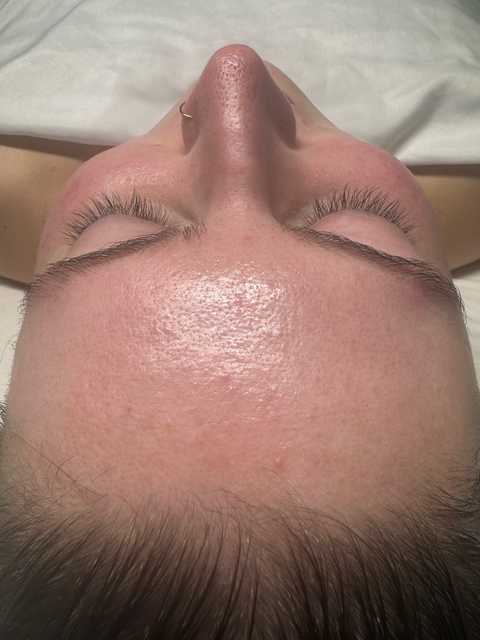
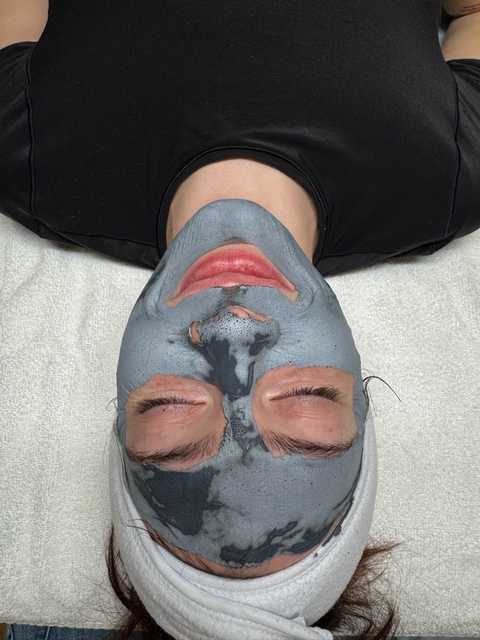
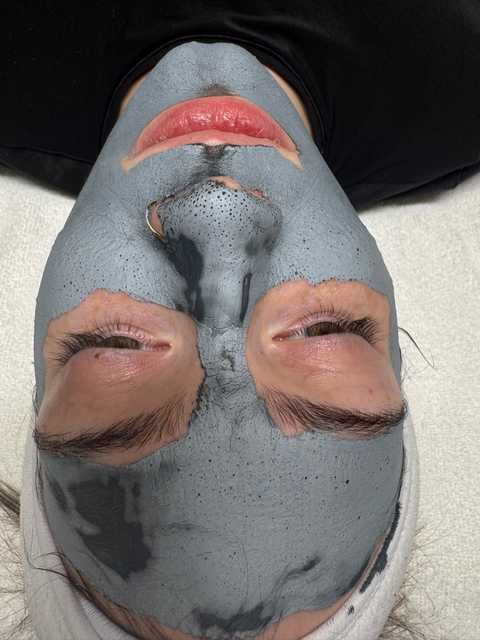
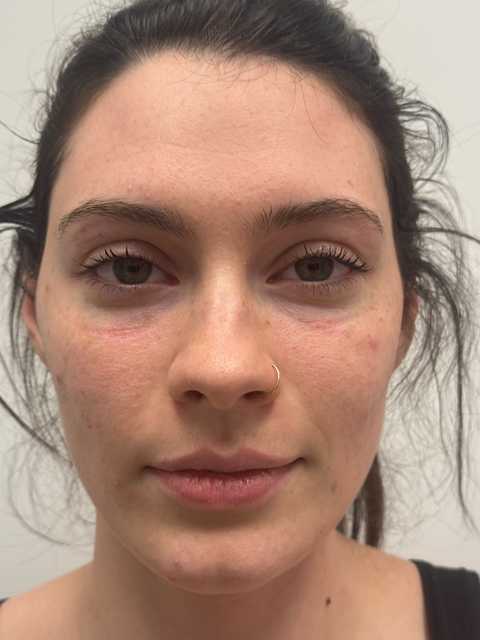
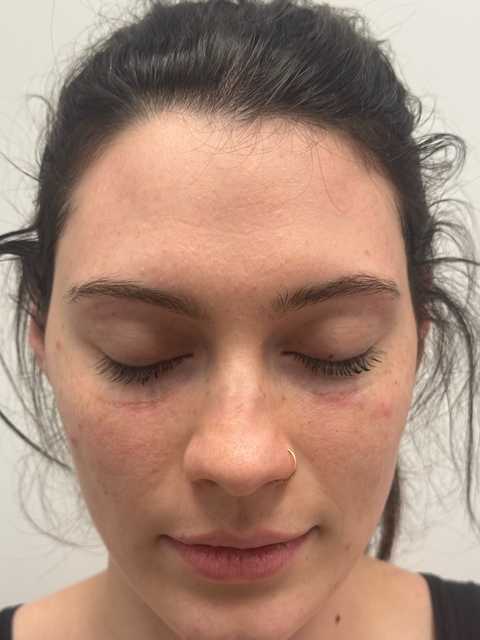
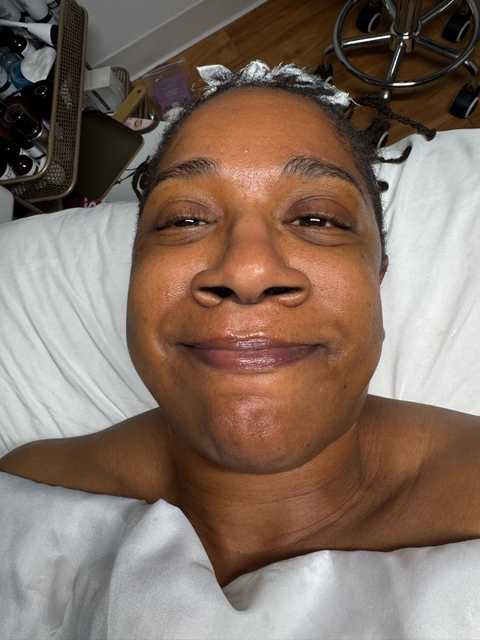
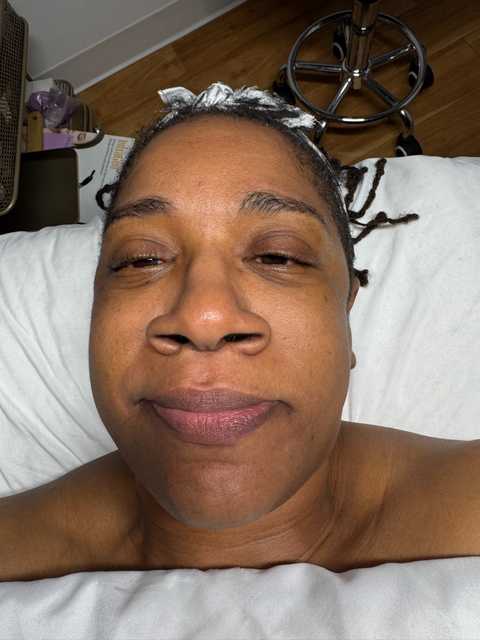
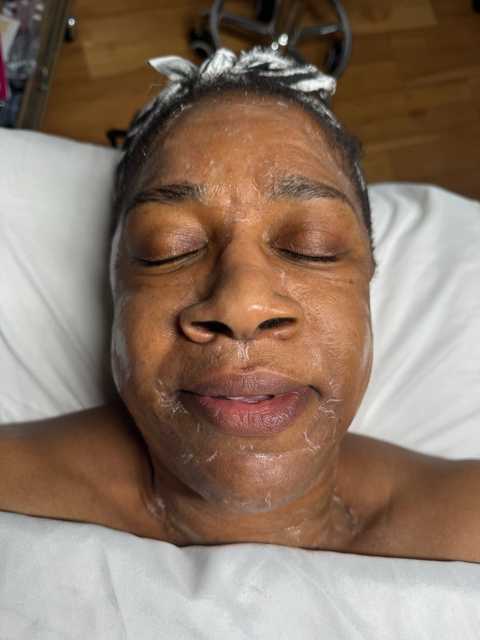
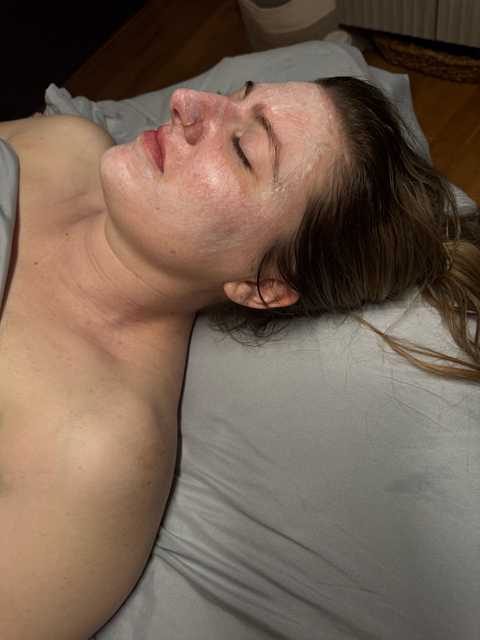
See examples of our Cupping Therapy work and results.







What Our Clients Say
$$MultiPurposeText$$
Read testimonials from our satisfied customers

Outstanding, knowledgeable and strong. Great deep massage.

I always leave feeling amazing. Get a massage and facial and leave feeling like a brand ne...more

Love my experience with Emmalynn. She did great listening to what I wanted in my massage a...more

Wonderful strength in those hands! Released my neck tension, I had been hurting for two mo...more

R&R therapeutics scheduled me right away because of the pain level I was in. They used dif...more

EMMELYNN IS WONDERFUL!! I’ve never been consistent with getting regular massage and had ne...more

Frequently Asked Questions
Get answers to common questions about Cupping Therapy.
Your therapist will assess concerns, apply lubricating oil, and place cups to create gentle suction. Sessions last about 20-30 minutes for targeted areas. You may feel pulling and warmth; minor temporary bruising can appear but usually fades within days.
Yes, with precautions. We assess skin sensitivity and adjust suction strength or use silicone cups. Inform your therapist of medications, skin conditions, or anticoagulants. We may perform a patch test or choose gentler techniques to minimize irritation and bruising.
Immediate relief may last several days; improved circulation and reduced tension can persist for one to two weeks. Regular sessions provide cumulative benefits, especially for chronic tension. Your therapist will recommend a schedule based on your condition and response to treatment.
Often cupping causes circular discoloration where suction was applied; these marks are not harmful and usually fade within a few days to two weeks. Lighter suction and shorter durations reduce bruising risk; consult your therapist for individualized adjustments.
Yes. Cupping complements massage, physical therapy, and facial treatments by enhancing circulation and releasing tension. Tell your provider about recent procedures or skin treatments; spacing appointments appropriately avoids irritation. We’ll create a plan integrating cupping with your ongoing care.
Drink water before and after sessions, avoid heavy exercise and hot baths for 24 hours, and keep the treated area clean. Apply gentle moisturizer and monitor marks. Contact us if you experience severe pain, prolonged swelling, or signs of infection.